Why Timely Oil Changes Are Essential for Your Engine’s Health
The internal combustion engine is a marvel of modern engineering, consisting of thousands of moving parts that must operate in perfect harmony to propel your vehicle safely down the road. At the heart of this complex system is motor oil, a vital fluid that serves as the lifeblood of your car by providing necessary lubrication and heat regulation. Many drivers underestimate the critical role that fresh oil plays in maintaining the structural integrity of these high-performance components over the long term.
Without a consistent schedule for replacing depleted lubricants, the friction generated between metal surfaces can lead to catastrophic mechanical failure and expensive repair bills. Maintaining your vehicle according to a professional schedule is the most effective way to ensure that your daily commute remains reliable and efficient. A proactive approach to basic maintenance prevents the gradual accumulation of sludge and debris that can choke an engine’s performance. By prioritizing this simple service, you are making a strategic investment in the longevity and resale value of your automotive asset. This guide explores the multifaceted benefits of regular oil services and how professional oversight keeps your engine running at its peak potential for years to come.
Lubricating Internal Components to Reduce Mechanical Friction
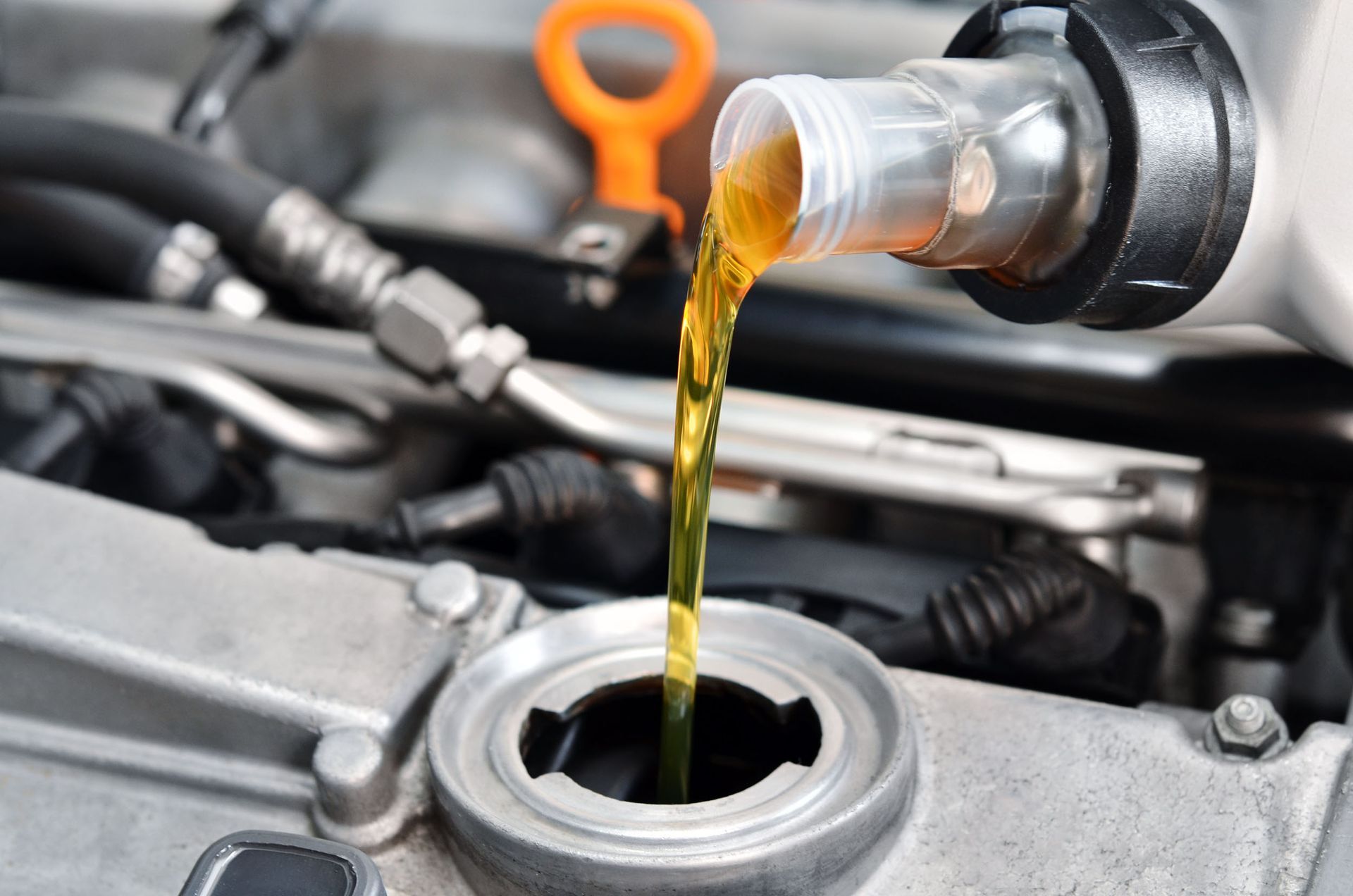
The primary function of motor oil is to create a thin protective barrier between the rapidly moving metal parts within your engine block. Without this lubricating layer, the intense friction between pistons, valves, and the crankshaft would generate enough heat to weld these components together permanently. Over time, heat and pressure cause the chemical structure of the oil to break down, significantly reducing its ability to prevent metal-on-metal contact.
Entrusting this task to a local auto mechanic ensures that the correct viscosity of oil is used for your specific make and model. Fresh oil allows these parts to glide past one another with minimal resistance, which preserves the delicate tolerances required for high-speed operation. This reduction in friction also lessens the physical wear on bearings and seals, extending the overall life of the engine significantly. Consistent lubrication is the first line of defense against the mechanical degradation that occurs during every mile you drive. Ensuring that your engine remains properly lubricated is the most basic yet vital step in automotive stewardship.
Cooling Critical Engine Parts During High Temperature Operation
While the radiator and coolant system handle the bulk of a vehicle’s thermal management, motor oil plays a specialized role in cooling the internal depths of the engine. Oil circulates through areas that coolant cannot reach, absorbing heat from the combustion chamber and transferring it back to the oil pan for dissipation. When oil becomes old and thick, it loses its thermal conductivity and can no longer carry heat away from sensitive components effectively.
A local auto mechanic can identify if your oil has become charred or oxidized, which is a clear sign of excessive thermal stress. By keeping the internal temperature stable, fresh oil prevents the warping of cylinder heads and the failure of delicate gaskets. This thermal stability is especially important during the summer months or when towing heavy loads that put extra strain on the powertrain. Proper cooling ensures that the metal components do not expand beyond their design limits, which prevents internal seizing and leaks. Maintaining a fresh supply of oil is essential for keeping your engine’s temperature within a safe and productive operating range.
Cleaning Internal Debris to Prevent Harmful Sludge Buildup
Modern motor oils are formulated with advanced detergents and dispersants that are designed to capture microscopic contaminants before they can cause damage. As you drive, the oil picks up carbon deposits, metal shavings, and moisture that naturally accumulate inside the combustion environment. These particles are then carried to the oil filter, where they are trapped and removed from the active circulation path. However, after thousands of miles of use, the oil becomes saturated with these pollutants and can no longer keep the engine clean.
When you visit a local auto mechanic, they remove this dirty fluid and the contaminated filter to reset the system’s cleaning capacity. Failure to change the oil leads to the formation of a thick, jelly-like substance known as sludge, which can block oil passages and starve the engine of lubrication. Keeping the internal surfaces of your engine clean is vital for maintaining the free movement of valves and lifters. Regular oil changes ensure that your engine remains free of the gritty paste that eventually leads to premature mechanical wear.
Improving Fuel Economy Through Reduced Engine Drag
A clean and well-lubricated engine operates with much greater efficiency than one struggling against old, viscous oil and internal friction. When the moving parts can cycle with less resistance, the engine does not have to burn as much fuel to maintain a steady speed. This efficiency gain is particularly noticeable during long highway trips where the engine is running at a constant and high revolution rate.
According to AAA, most engines today have recommended oil change intervals of 5,000 to 7,500 miles to maintain this optimal level of performance and fuel economy. Following these specific mileage guidelines ensures that your vehicle is not wasting energy overcoming the internal drag caused by degraded lubricants. A local auto mechanic can help you stay on this schedule to ensure that you are getting the most miles possible out of every gallon of gasoline. Improved fuel economy is not only better for your monthly budget but also reduces the overall environmental impact of your daily driving. Investing in a timely oil change is one of the easiest ways to keep your fuel costs manageable and your engine responsive.
Protecting the Environment by Reducing Harmful Emissions
A healthy engine burns fuel more completely and cleanly, which directly impacts the amount of pollutants released through the exhaust system. When oil is neglected, the engine must work harder and may begin to burn small amounts of the oil itself, leading to darker, more toxic exhaust fumes. This can eventually clog your catalytic converter and lead to a failed emissions test, which is both expensive and time-consuming to resolve. A local auto mechanic plays a key role in ensuring that your vehicle remains compliant with local environmental regulations through routine maintenance.
Fresh oil helps maintain a tight seal between the piston rings and cylinder walls, preventing combustion gases from leaking into the crankcase. This containment ensures that the PCV system can recycle fumes effectively, keeping the air cleaner for everyone in your community. By maintaining your oil change schedule, you are doing your part to reduce the carbon footprint of your personal transportation. Environmentally conscious driving starts with a commitment to the mechanical health of the vehicle you operate every day.
Detecting Potential Mechanical Issues Through Regular Inspections
The oil change process provides a unique opportunity for a professional to get a close look at the underside and internal health of your vehicle. While the oil is draining, a local auto mechanic can inspect for leaks, frayed belts, or worn suspension components that might otherwise go unnoticed. They can also analyze the condition of the used oil to look for signs of internal engine trouble, such as the presence of coolant or excessive metal glitter. A local auto mechanic can catch these problems early, which can be the difference between a simple seal replacement and a total engine overhaul.
These regular check-ins create a detailed maintenance history for your car, which is invaluable when it comes time to sell or trade the vehicle. A professional technician provides a level of expert oversight that a quick-lube station or DIY approach often lacks. This proactive diagnostic step ensures that your car remains safe for you and your family to use on the road. Utilizing the expertise of a technician during a routine service adds a massive layer of security to your automotive ownership. Keep your engine running like new and protect your investment by visiting S & S Advanced Auto Repair today for a professional oil change and comprehensive vehicle safety inspection.

Share On: